Dermatology SEO
Improves visibility for treatment-specific and local searches so patients can easily find dermatology services. Focuses on ranking for conditions such as acne, eczema, and psoriasis, as well as cosmetic procedures.

Dermatology practices don’t attract one type of patient; they attract two completely different journeys. Both groups think differently, search differently, and respond to different messages.







One group is seeking medical care for conditions such as acne, eczema, or skin cancer. The other is exploring cosmetic services, such as laser treatments, peels, and other aesthetic procedures. That’s why the same marketing approach doesn’t work for both. Effective digital marketing for dermatologists is designed to target each audience separately, improve local visibility, and convert search into real patient bookings.
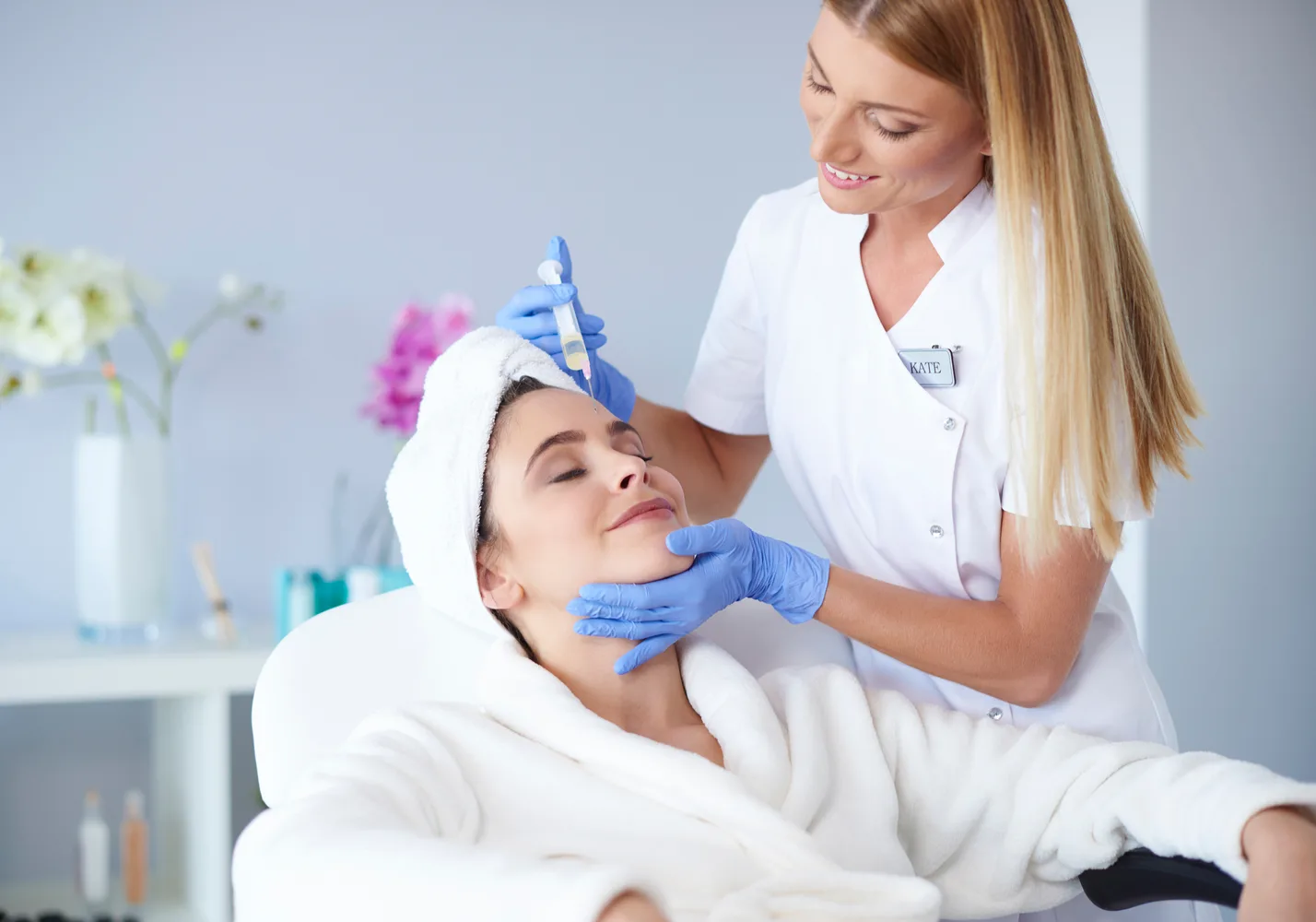
The Dermatology Marketing Challenge
Dermatology marketing becomes complex because patient intent varies. Some people are actively trying to solve a medical issue and want quick, trusted care. Others are exploring appearance improvements and comparing results, providers, and treatment options.
Because of this split behavior, dermatology practice marketing services must be built around separate strategies for medical and cosmetic audiences to ensure the right message reaches the right patient at the right time.

Practices with optimized treatment pages and strong local SEO can see 2–3x more appointment inquiries than clinics with generic service pages. Clear, condition-specific information builds trust faster and turns more website visits into real consultations.
Get a Free AuditA complete dermatology growth strategy requires multiple channels working together. The goal is not simply to generate traffic; it is to attract qualified patients who are ready to schedule care.
Improves visibility for treatment-specific and local searches so patients can easily find dermatology services. Focuses on ranking for conditions such as acne, eczema, and psoriasis, as well as cosmetic procedures.

Helps dermatology clinics appear in local map results and nearby "near me" searches. Optimizes Google Business Profile with reviews, updates, and accurate service information.

Targets high-intent patients actively searching for dermatology treatments and procedures. Drives bookings for services like acne treatment, skin cancer screening, and cosmetic dermatology.

Builds awareness and trust through educational content and real treatment visuals. Engages patients through stories, procedural content, and aesthetic dermatology content.

Provides helpful, search-focused content that answers patient concerns before they book. Improves visibility for acne, eczema, psoriasis, and skin cancer awareness topics.

Reconnects with existing patients through reminders, follow-ups, and treatment updates. Helps increase repeat visits and cosmetic procedure bookings.

Strengthens online trust by improving ratings and managing patient feedback. Better reviews increase credibility and directly influence appointment decisions.

Design service pages that match patient intent and encourage appointment bookings. Improves conversions by making treatment information clear and action-driven.

Tracks patient behavior to understand the drivers of appointments and inquiries. Automates follow-ups and lead management to reduce missed opportunities.
One of the biggest mistakes in a skin care marketing agency is treating all services as if they target the same audience.
Medical Dermatology Campaigns
Cosmetic Dermatology Campaigns
This distinction is one reason many practices choose specialized dermatology patient acquisition marketing strategies rather than general healthcare campaigns.

A patient can decide in seconds whether to book or leave. Most lost appointments happen before the first phone call. Clear messaging, procedure-specific pages, and trust signals often have a greater impact on growth than increasing advertising spend.
Before-and-after photography can be one of the most powerful tools in dermatology marketing, but it must be handled carefully.
Practices should consider:

Marketing claims should remain accurate, transparent, and supported by real patient outcomes.

Photography should always follow documented patient consent procedures before publication.

Healthcare-related advertising and promotional content must comply with platform requirements regarding claims and representations.

Advertising campaigns should align with Google healthcare advertising standards and applicable regulations.

Patient privacy should remain protected throughout all content creation and promotional activities.
Compliance-focused content helps reduce risk while maintaining trust and credibility.
Successful campaigns focus on measurable business outcomes.
Common performance indicators include:
Visibility
Increased search visibility
Inquiries
More qualified patient inquiries
Volume
Higher appointment volume
Rankings
Improved local rankings
Reviews
Better review growth
Retention
Stronger patient retention
Lower CPA
Lower acquisition costs
Demand
Increased procedure demand
Whether the goal is expanding medical services or growing cosmetic treatments, performance should be tied directly to patient acquisition and practice growth.
Patients increasingly search online before choosing a provider. A strong digital presence helps practices improve visibility, trust, and appointment volume.
Medical campaigns focus on conditions and treatment needs, while cosmetic campaigns focus on aesthetic outcomes, experience, and visual results.
SEO is a long-term strategy. Many practices begin seeing measurable improvements within several months, depending on competition and market conditions.
Yes. Well-structured campaigns can attract high-intent patients searching for specific treatments and procedures.
Social media helps educate patients, showcase expertise, strengthen credibility, and support both medical and cosmetic patient acquisition efforts.
Discover Where New Patient Opportunities Are Being Missed.